

What does a sound smell like?
Oo La Lab is at Dubai Design Week, 3–8 November, introducing our Fragrance Frequency Lab a 60-minute guided session at Dubai Design District (d3), Building 4B, Office 204.


A scent brief does not have to begin with a mood word.
It can begin with the room. The surfaces people touch. The light at the hour they arrive. The sound from the next space. The pause before the door opens. Those references do not dictate a fragrance, but they give a designer something to work against.
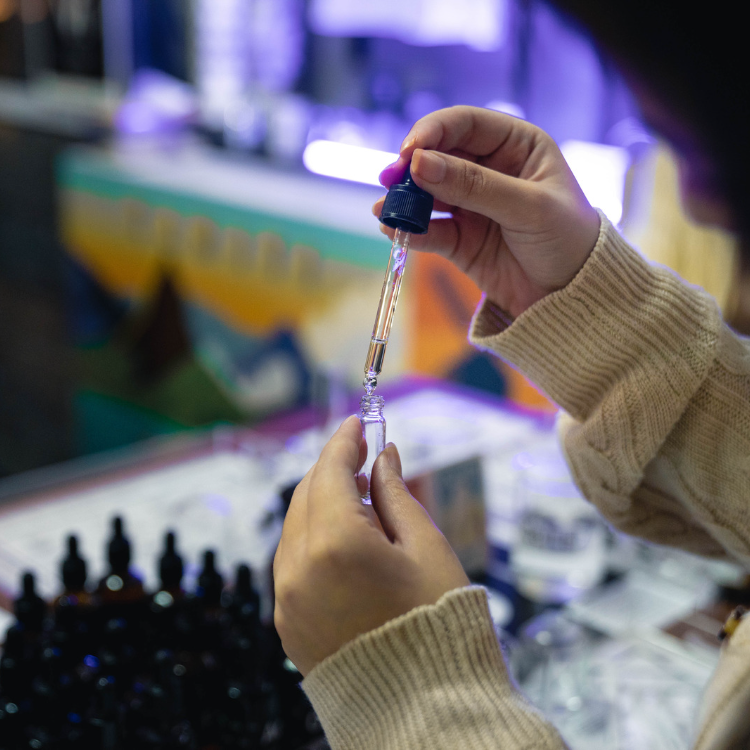
At a September session supported by DesignSingapore Council, designers explored scent alongside colour, texture and sound. Each table started with a brief and a set of materials. Participants compared what they smelled with what they could see, touch and hear. The useful moments were not neat matches. They were the disagreements: a texture that felt colder than expected; a colour that changed when paired with a different accord.
That friction is productive. Cross-modal work is not about claiming that a particular shade has one correct smell. It is a way to make references visible, compare interpretations and ask better questions. Does the fragrance belong to the material? Does it sharpen the contrast? Does it introduce something the room does not yet contain?
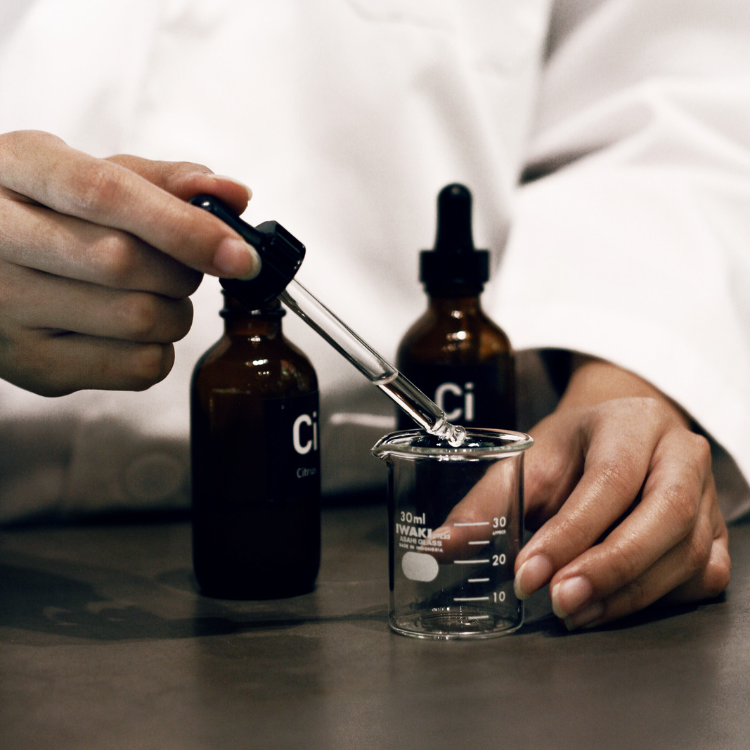
The Oo Fragrance Table gives teams a physical starting point: 27 elements in an open olfactive taxonomy, with Fougère and Chypre retained as historical references. It is published under a Creative Commons Attribution 4.0 licence so others can use and adapt it.
For designers, scent becomes easier to include when it enters the brief early—beside the light, material, sound and human moment.

