
Fear arrives before the monster
In immersive design, anticipation often does more than the reveal. What do guests hear, smell and imagine before they see the source?

“Make it smell nice” is understandable. It is also where the useful part of the conversation needs to begin.
Nice might mean clean linen to one person, citrus peel to another, warm timber to a third. None of those responses is wrong. The problem is that the word gives a creative team no way to tell which direction you mean—or how to know when the result is close.
Try replacing the adjective with a reference. Where will the fragrance live? Who will encounter it? What materials are already in the space? Is the moment an arrival, a pause or a departure? What should the scent sit beside, and what should it avoid? A room with pale stone and bright morning light suggests a different exploration from a dark bar after midnight.
Then compare actual materials. Smelling two or three directions side by side often makes the language more exact. “Less sweet.” “Closer to wet stone.” “Keep the dry part; lose the powder.” These are not technical terms. They are workable decisions.
An open vocabulary for scent is not a rulebook about what people are allowed to like. It is a set of shared references that helps people describe what they notice and discuss what to try next.
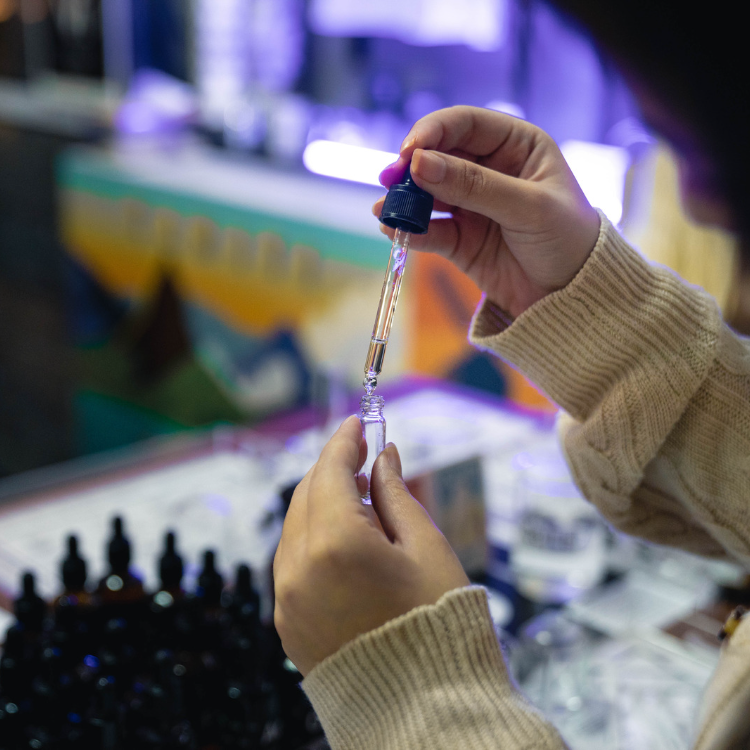
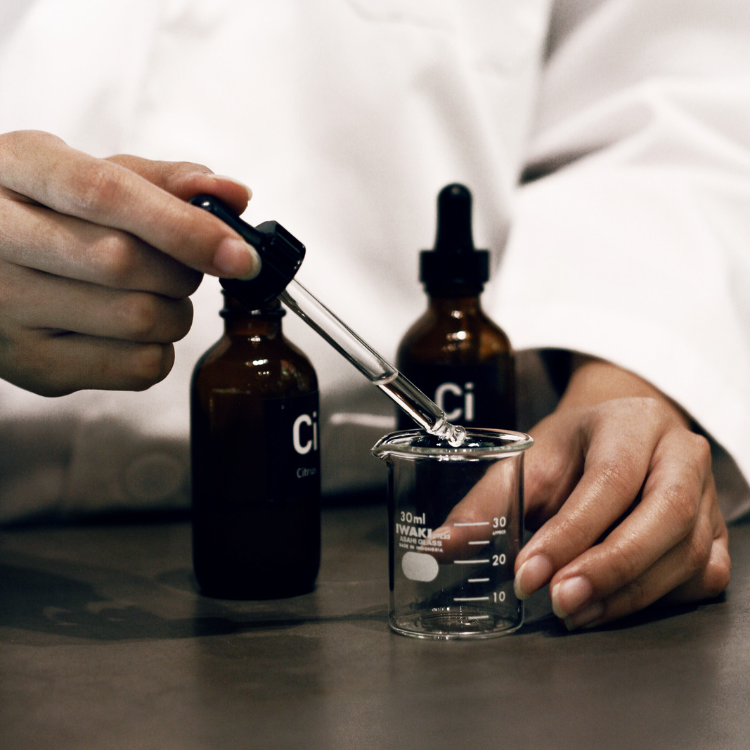
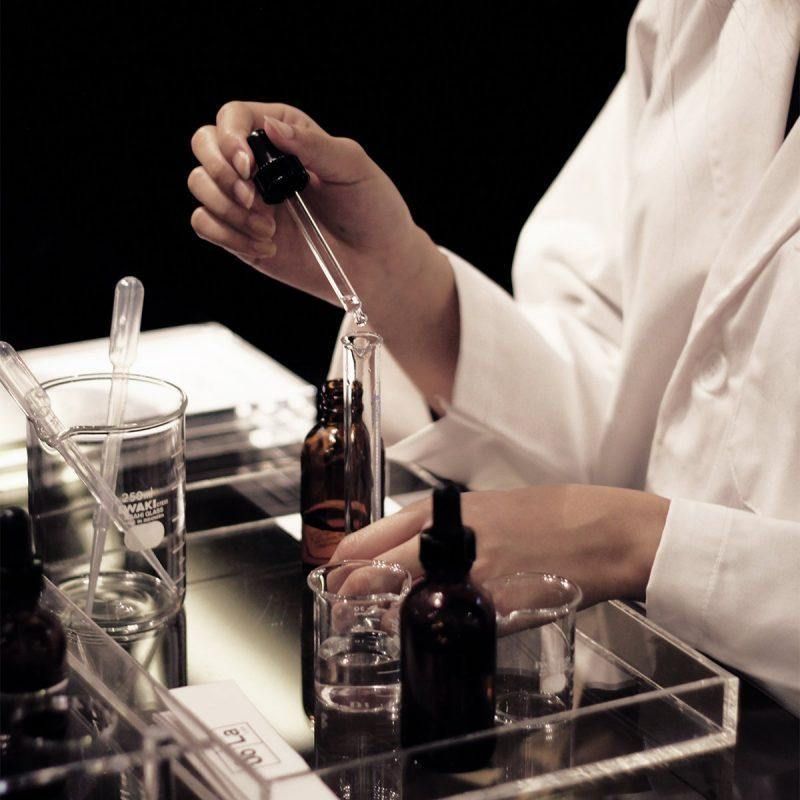
The Oo Fragrance Table is one tool we have built for that work. The aim is modest: give a conversation something concrete to smell.

